grandfather clause
Other forms: grandfather clauses
A grandfather clause is a provision in a legal document that allows an old rule to apply to some people while a new rule is enacted for most people.
The language in a law sometimes includes a grandfather clause that makes an exception for an existing situation. For example, people who have rented out rooms in their houses for years may not be affected by a law banning the practice going forward — thanks to a grandfather clause. The original 1899 grandfather clause allowed men whose grandfathers had the right to vote to be exempted from a new rule requiring voters to own property and to be able to read.
-
an exemption based on circumstances existing prior to the adoption of some policy; used to enfranchise illiterate whites in south after the American Civil War
- MLA
- APA
- Chicago
Vocabulary lists containing grandfather clause
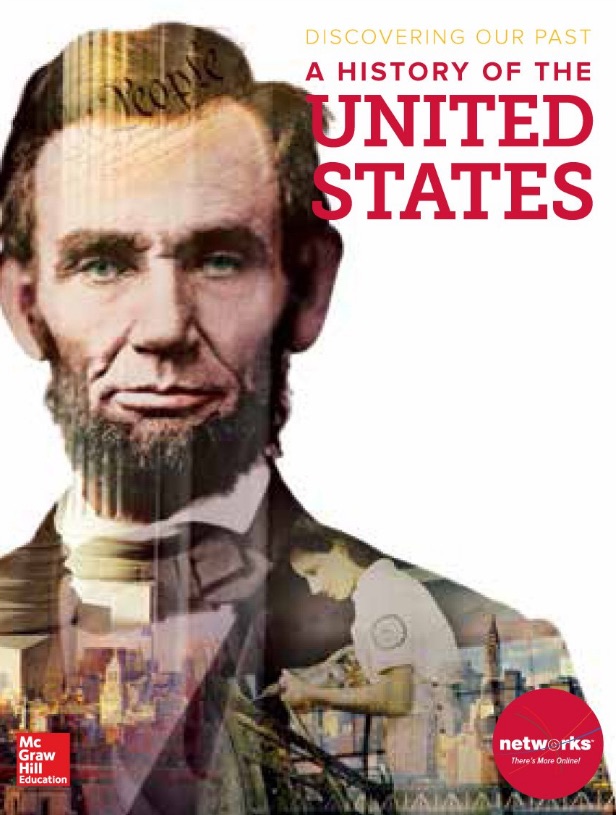
You have a constitutional right to learn these words related to American history! This comprehensive vocabulary list will take you from the settlement of the colonies through the present day. It includes topics such as the Constitution and civil rights, slavery and the Civil War, American presidents, immigration and multiculturalism, and much more.
You have a constitutional right to learn these words related to American history! This comprehensive vocabulary list will take you from the settlement of the colonies through the present day. It includes topics such as the Constitution and civil rights, slavery and the Civil War, American presidents, immigration and multiculturalism, and much more.